Academy of Robotics · The AI board
Any vehicle.
Our board and
software inside.
One board, designed by us, with a patent-pending system on a chip at its heart. Built into the car, truck, tractor or bus you already make.
Illustrative films, made with generative video.
01 / We made this
We didn’t start with a board.
We started with a car.
This is Kar-go. We designed it from scratch, built it in Britain, and in 2020 it was approved for UK public roads.
Take the body off.
This is what drives it.
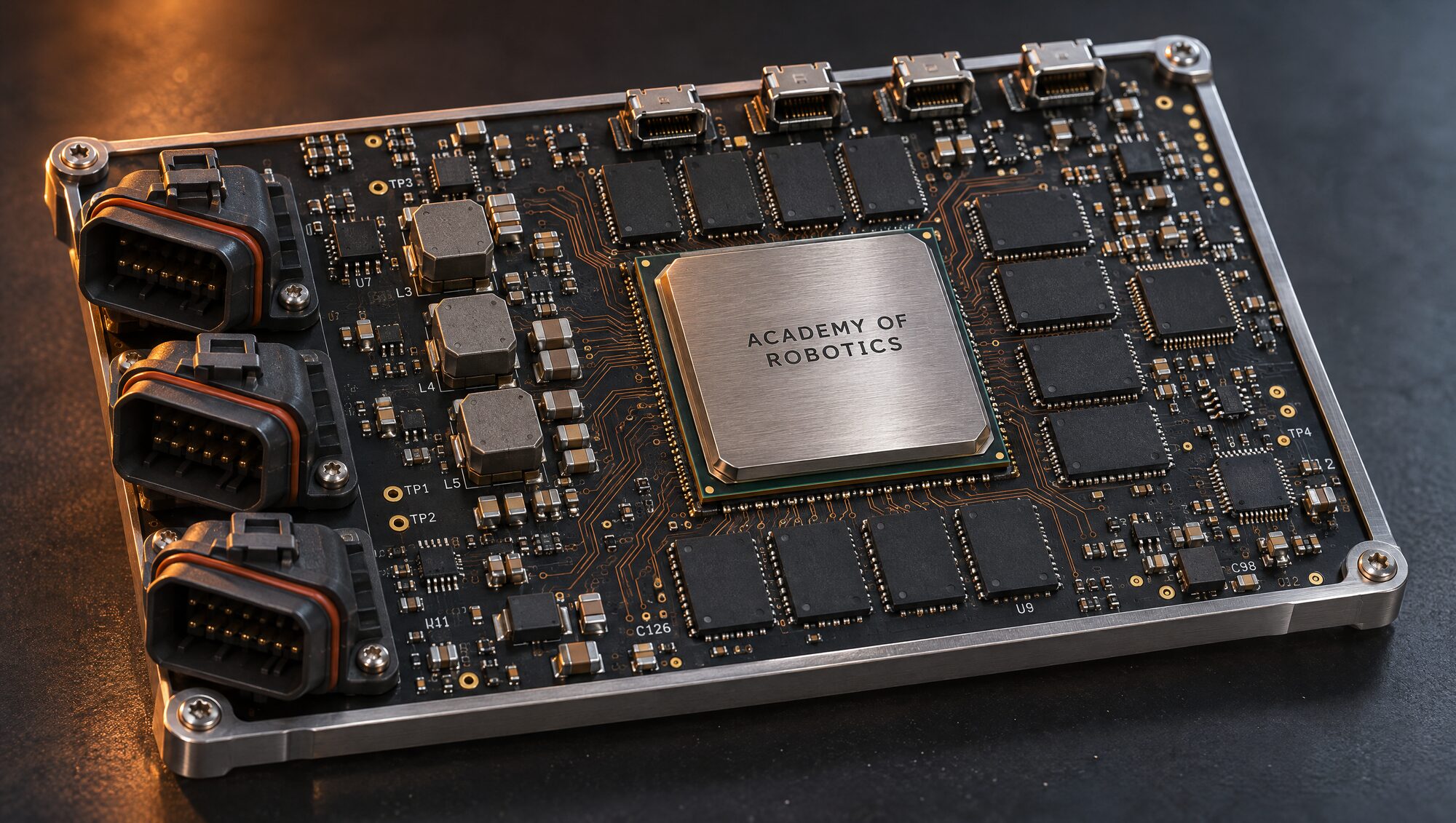
Cameras for eyes. A few wires for nerves. And one small board that does the thinking.
One board.
Everything it knows is here.
So we asked a simple question. What if this board went into other vehicles?
Kar-go, drawn live from our own CAD. Drag to turn it.
02 / The board
One board.
Our own system on a chip at its heart.
A specialist board we design ourselves, with our own system on a chip at its heart, patent pending, and small foundational AIs, built from scratch, to run on it.
It is the part of Kar-go that does the driving. It takes in what the cameras see, works out what is happening on the road, and tells the vehicle what to do next. It is also the part we can lift out, and build into something else.
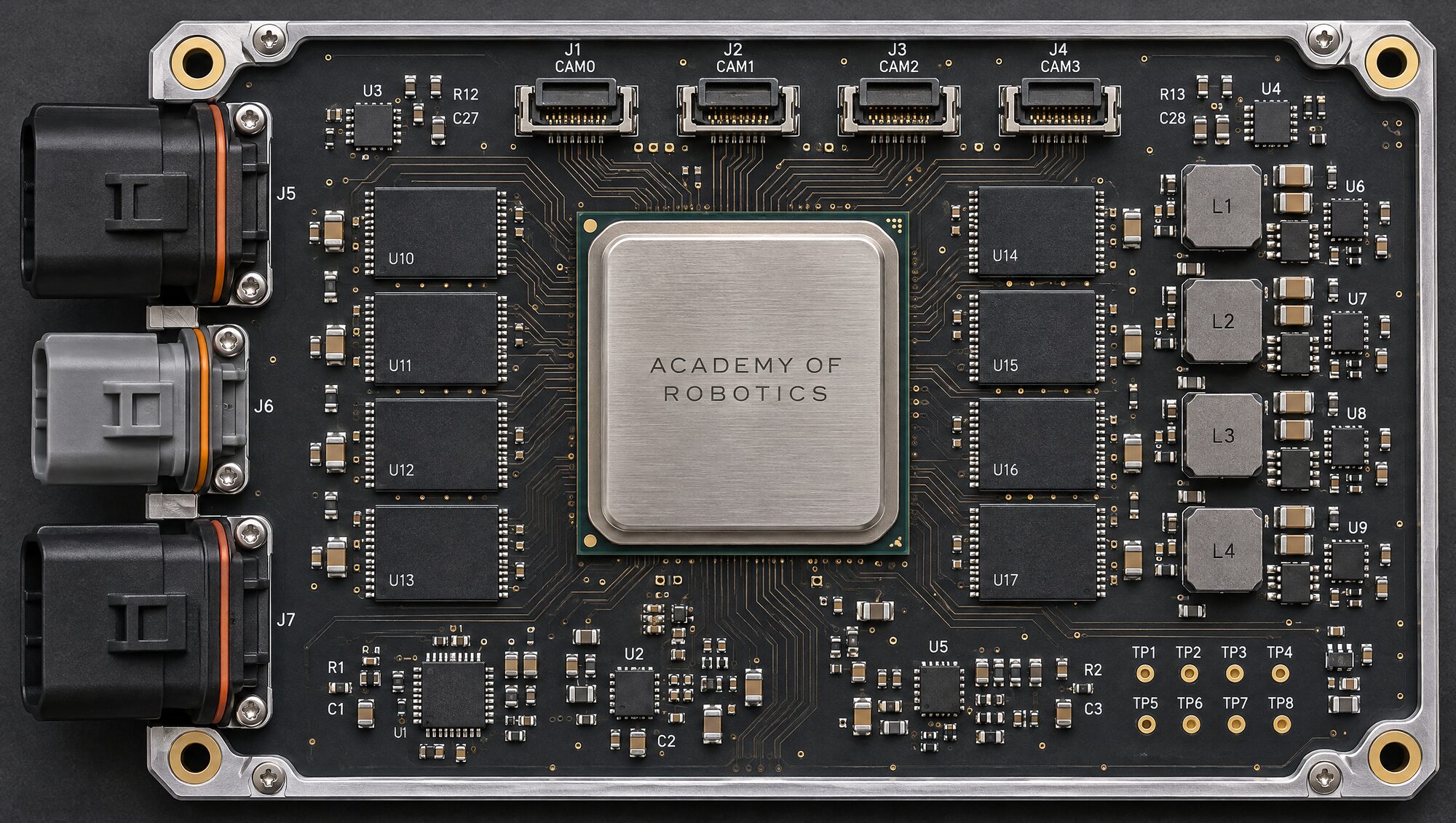
1The system on a chip
The board’s brain, patent pending. This is where the seeing, the predicting and the deciding happen.
2Eyes in
The vehicle’s cameras plug in here. They are its eyes.
3Nerves out
Sealed connectors join the board to the vehicle’s own wiring, so it can ask for steering, braking and power.
4Memory
Home to the small AIs we built from scratch. They were made to fit this board, not a data centre.
5Power
It runs from the vehicle’s own supply. Nothing else to carry.
- Designed by usThe board, and the small AIs on it.
- Proven first in Kar-goA vehicle we built ourselves.
- Seven patent families18 published filings.
03 / How it works
How does it work?
The way you do.
It looks. It works out what it is looking at. It pays attention to what matters, thinks a couple of seconds ahead, and then it acts. Play the walk-through, or switch things on yourself.
Loading the film…
-
A car fitted with our board, on a London street. Nothing about it looks unusual. Now step inside its head.
-
Cameras give the vehicle eyes. This is exactly what one of them sees: a picture, and nothing more. To a computer, a picture is only millions of coloured dots.
-
So first it sorts the dots into things: road, pavement, a bus, a person, a cyclist. Then it works out how far away each one is.
Point at anything it has found.
-
You don’t study every brick in a street. Neither does it. It keeps a rough picture of everything, and looks hard only at what matters.
Click anywhere in the picture to make it look there.
Active vision · granted in the UK, GB 2599364
-
Everything that moves gets a prediction: where will it be in the next two seconds? Then it draws its own path through the gaps.
-
Steer, slow, stop, go. The board sends the vehicle the same kind of signals it already understands, many times a second.
Try the other scenes, or tilt the picture into 3D.
Illustrations on generated films. Everything drawn over them is worked out from the film itself by standard open software, to show the idea. It is not a recording from one of our vehicles, and the distances and speeds are estimates.
04 / How it drives
It looks, predicts and decides.
Then it tells the vehicle what to do.
Here is Kar-go, the vehicle we built, on a street built for it. Watch what it notices, what it expects to happen next, and exactly what it asks of the vehicle: steer, accelerate, brake. Then put the same board to work in a field and on a building site.
Building the street…
A small simulation, made to show the idea: the street, the field, the site, the people and every number on the screen are illustrative, worked out as it runs. Kar-go is drawn from our own CAD; the other vehicles from generic 3D models.
05 / Your vehicle
Now put it in yours.
From your yard to working, in five steps.
Whether you farm, build, haul or carry people, the board does the same job. What changes is how it plugs in. Choose a vehicle and follow the steps.
Tractor
Three ways in, whatever you build.
- A
It’s electric, or already drives by wire
Most new vehicles steer, brake and accelerate by electronic signal. We join the vehicle’s network (the CAN bus) and ask the controllers it already has (its ECUs) to do the work. No new moving parts.
- B
It’s partly electronic
We use what is there, and add what is missing. Usually that is one small motor on the steering.
- C
It’s fully mechanical
We add three small actuators, for steering, brake and accelerator. After that it connects like any other.
How the board connects is agreed with your engineers for each vehicle. Safety-critical control stays within your vehicle’s own validated systems.
Built into yours, in three steps.
- 1
We study your vehicle
Its shape, its controls, its sensors, and the work it is made for.
- 2
We fit our computer to it
Into the vehicles you build today, or designed into your next model from the start.
- 3
We prove it with you
On test tracks first, then on public roads where the law allows.
06 / Proven first in Kar-go
We built a vehicle first.
These photographs are real.
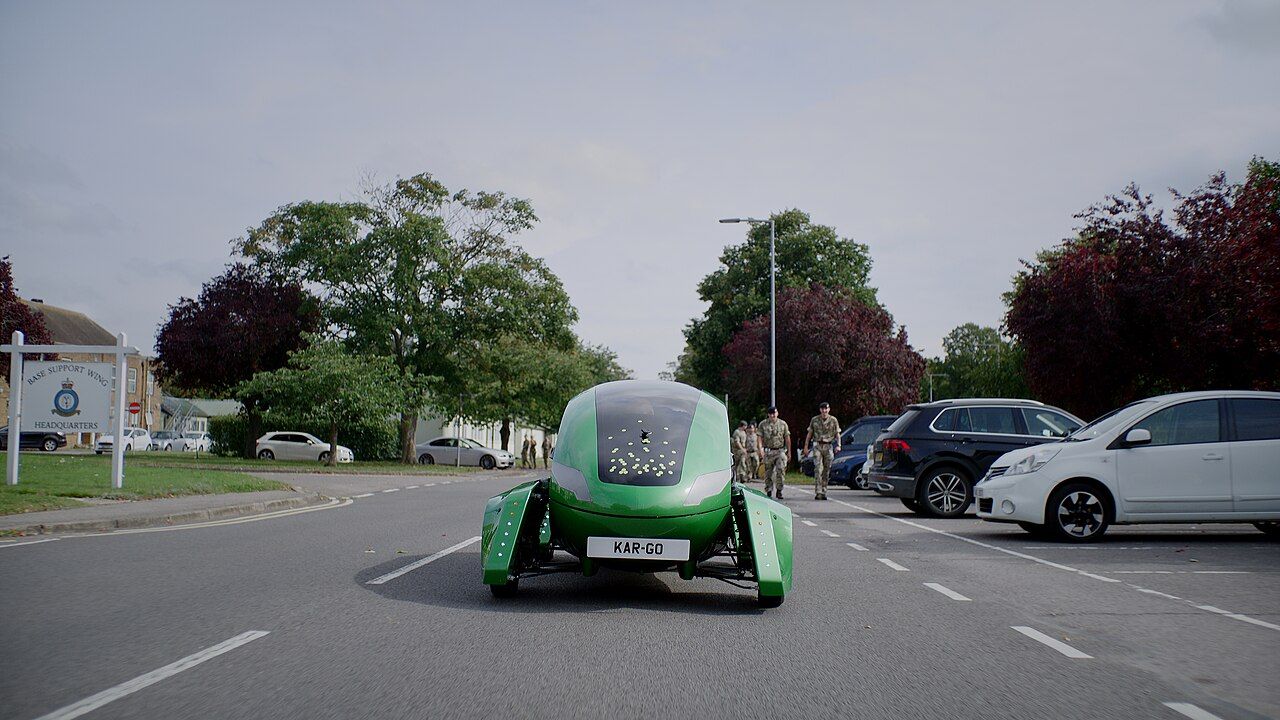
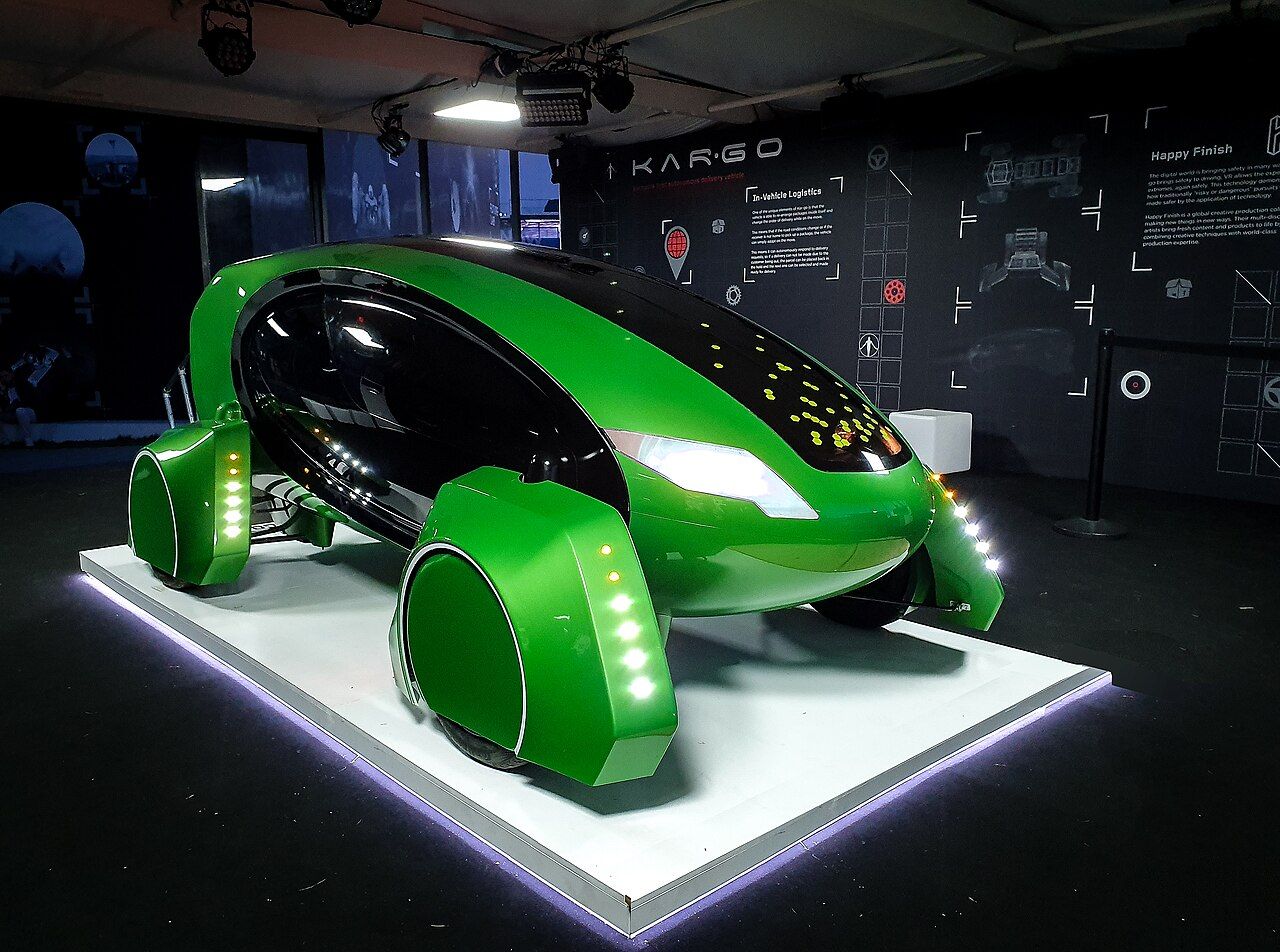
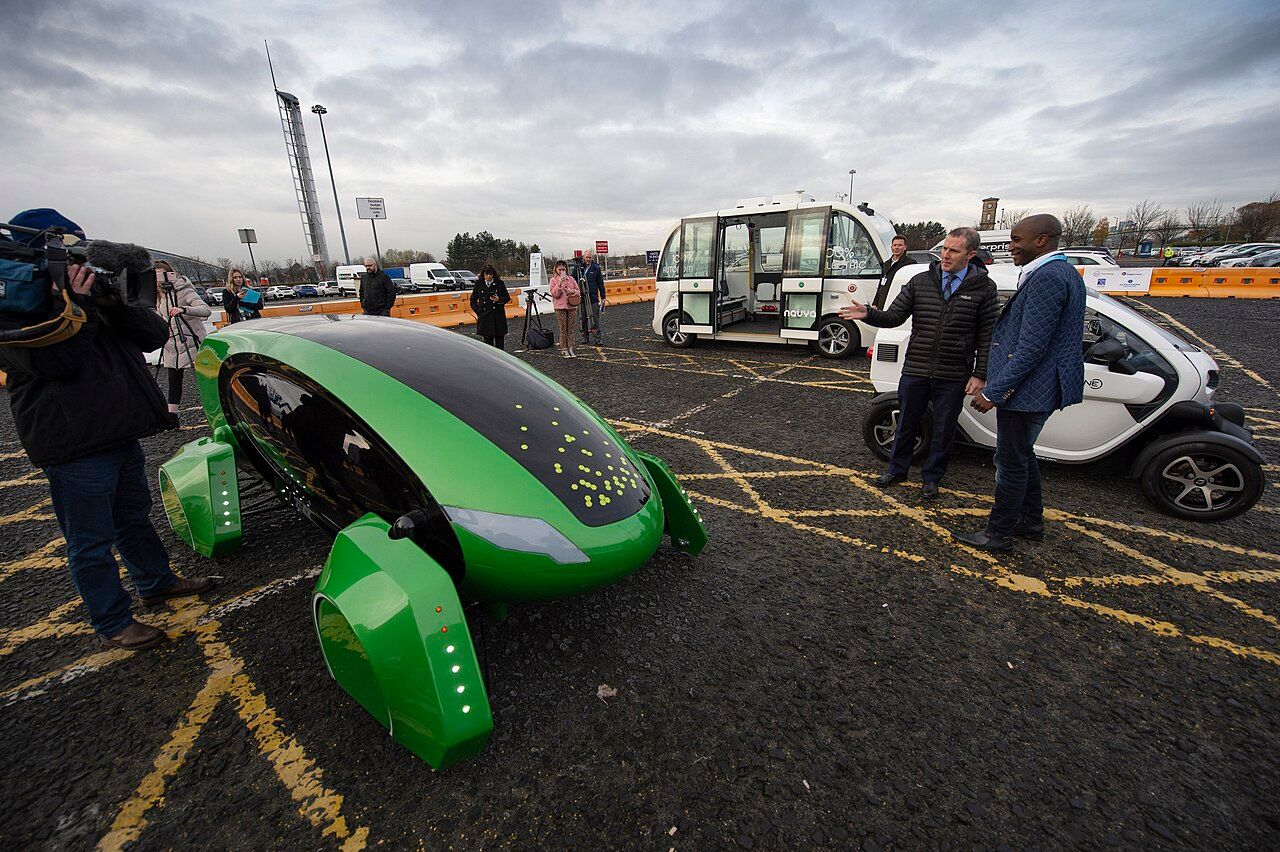
- 2020Kar-go approved for UK public roads.
- From scratchDesigned by Academy of Robotics, built in Britain.
- PatentsGranted in the UK; four European applications approved for grant. The register
07 / Ways to work with us
Start where you are.
Three ways in.
IP licensing
Intellectual property and implementation support.
Vehicle programmes
A defined pilot for your vehicle platform.
Special commissions
A vehicle built by our original engineering team.
Bring us your vehicle.
We’ll show you what it can become.
Talk to the team sales@academyofrobotics.co.uk
For vehicle makers and their engineering teams. The films on this page are illustrations. Fitting our system does not change the rules for a vehicle on the road: in Great Britain, a vehicle may be used without a driver only once it has been authorised under the Automated Vehicles Act 2024.